Architecture

We are practicing architects, not paper architects. Our team of experienced architects loves to help our clients create architecture that promotes flourishing in the lives of the people who use them.
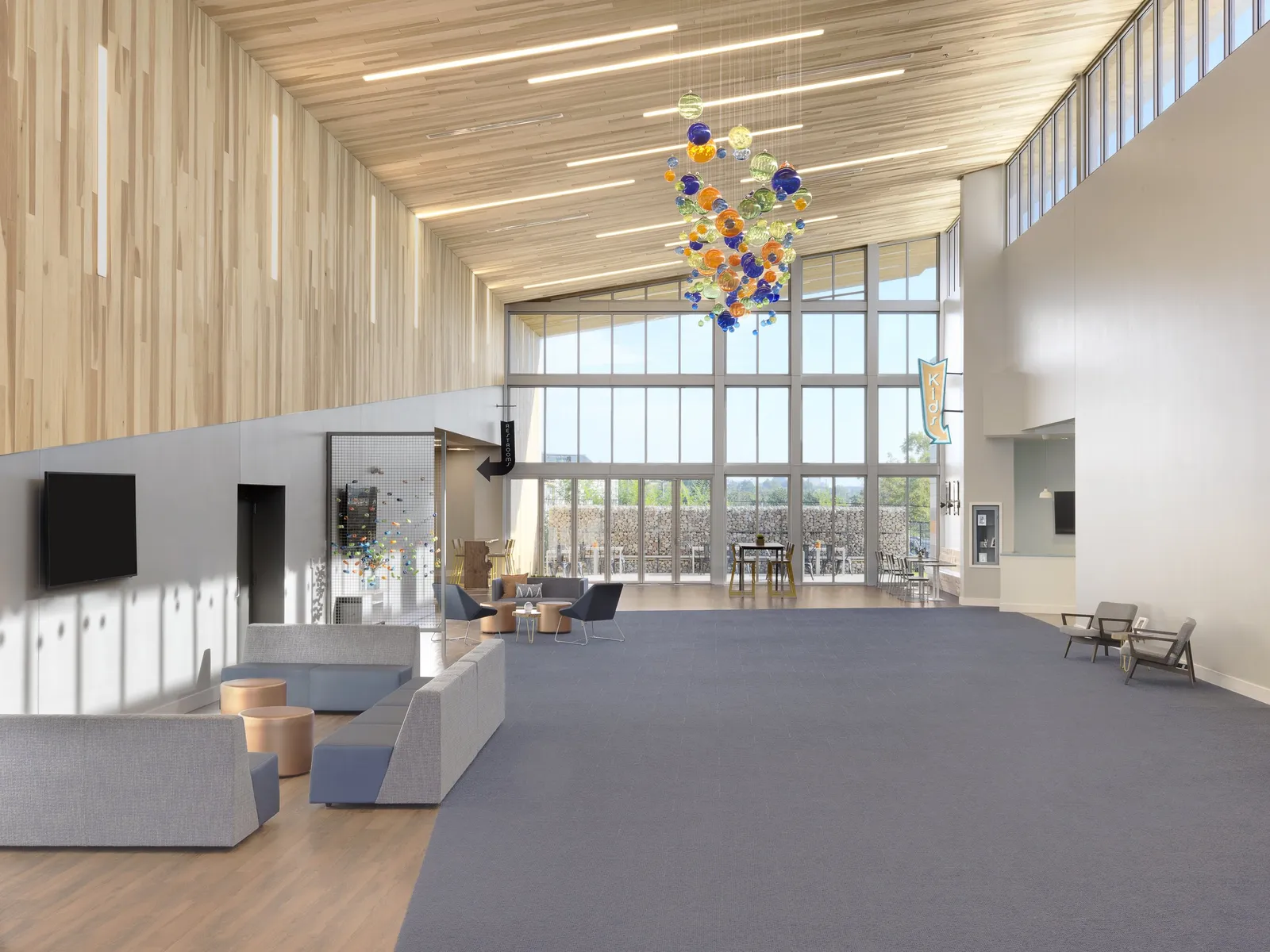
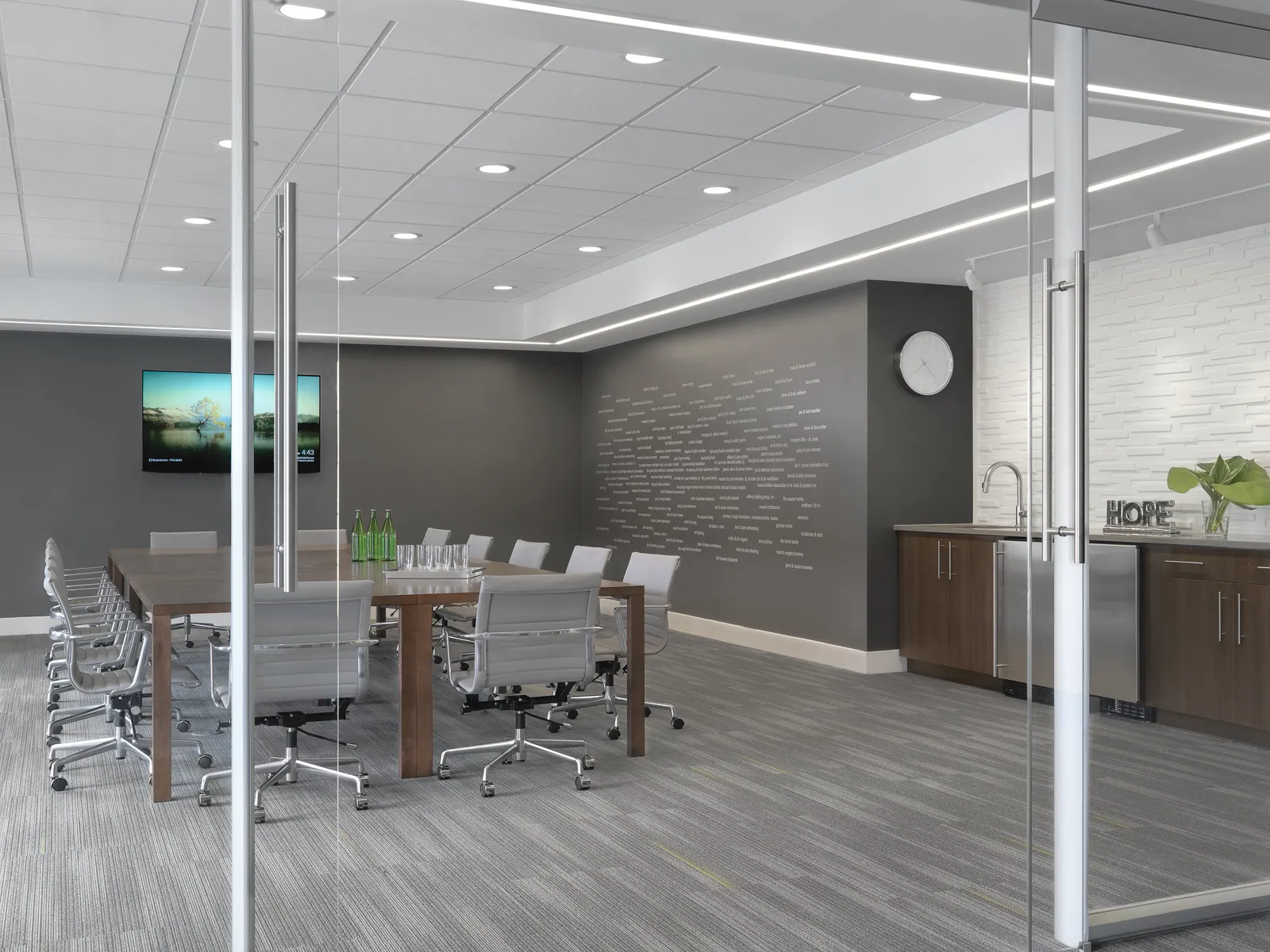
How many projects like mine have you done?

Would you be surprised if we said

none?

It’s likely that we have years of experience with your project type-

but we have never had a client exactly like you, with your dreams, goals, and vision for success.

In order to imagine architectural solutions specifically for you, we need more than experience.

We need a proven process that combines our creativity with our unique ability to understand you.

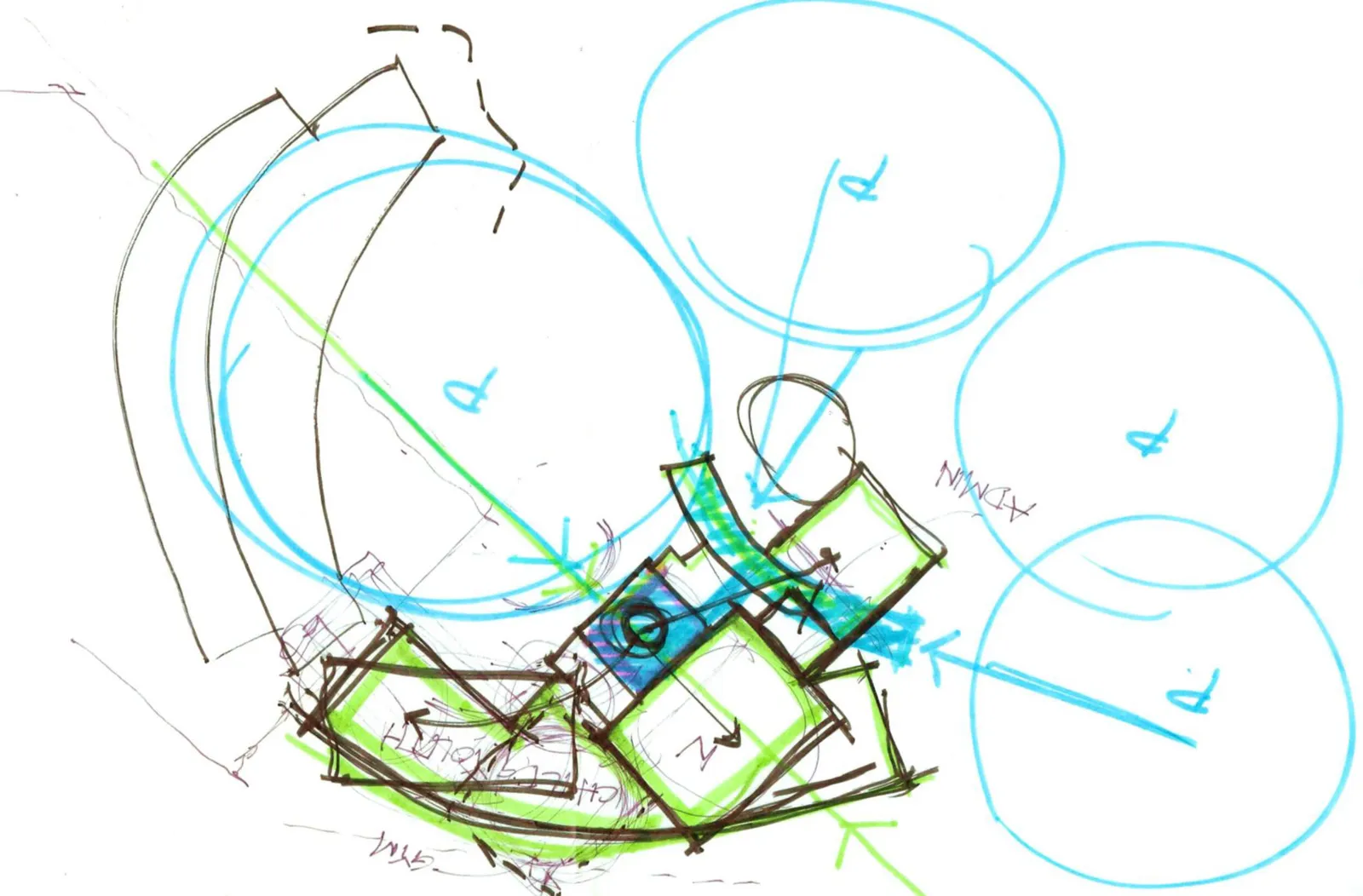
ideation

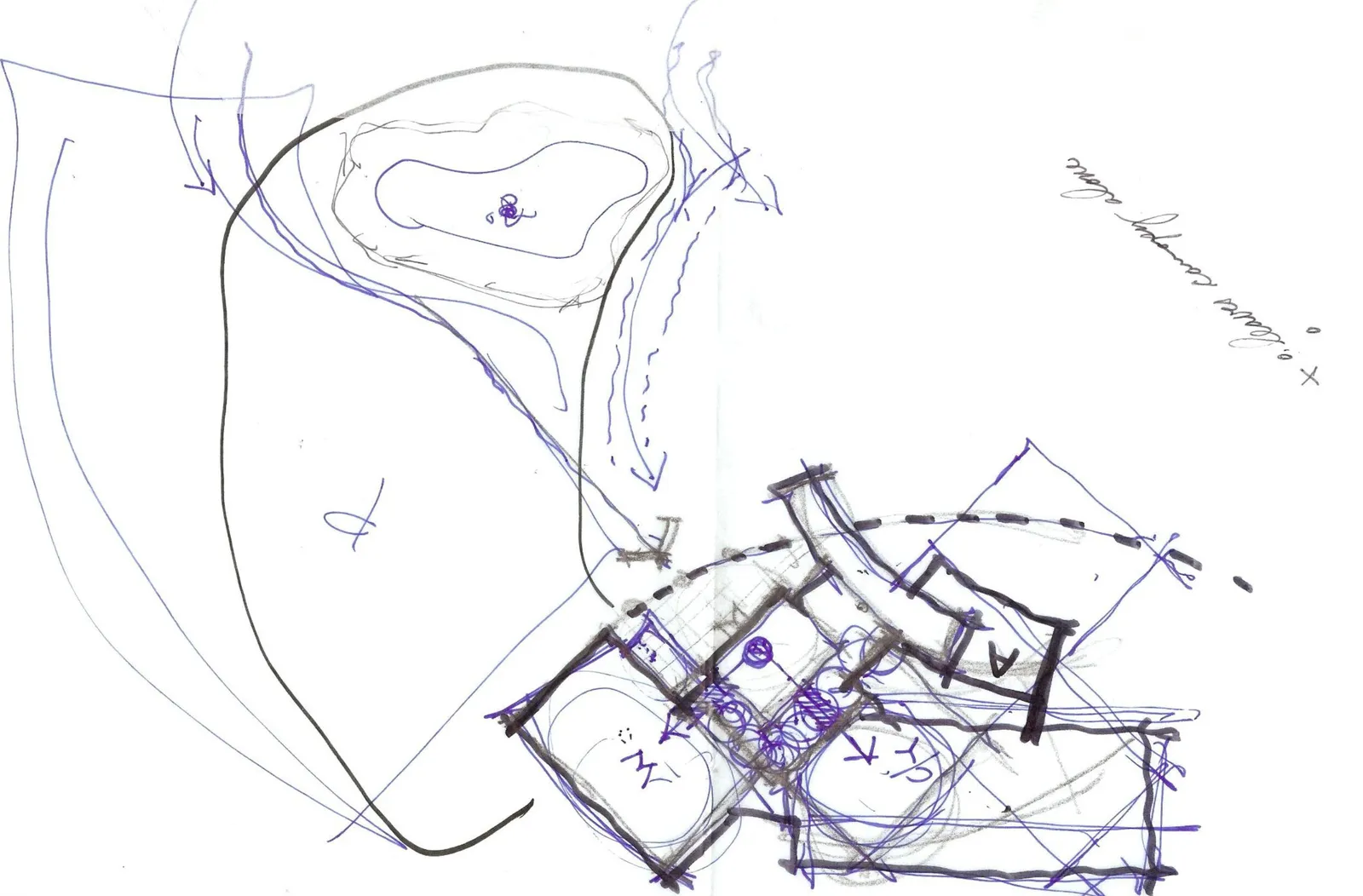
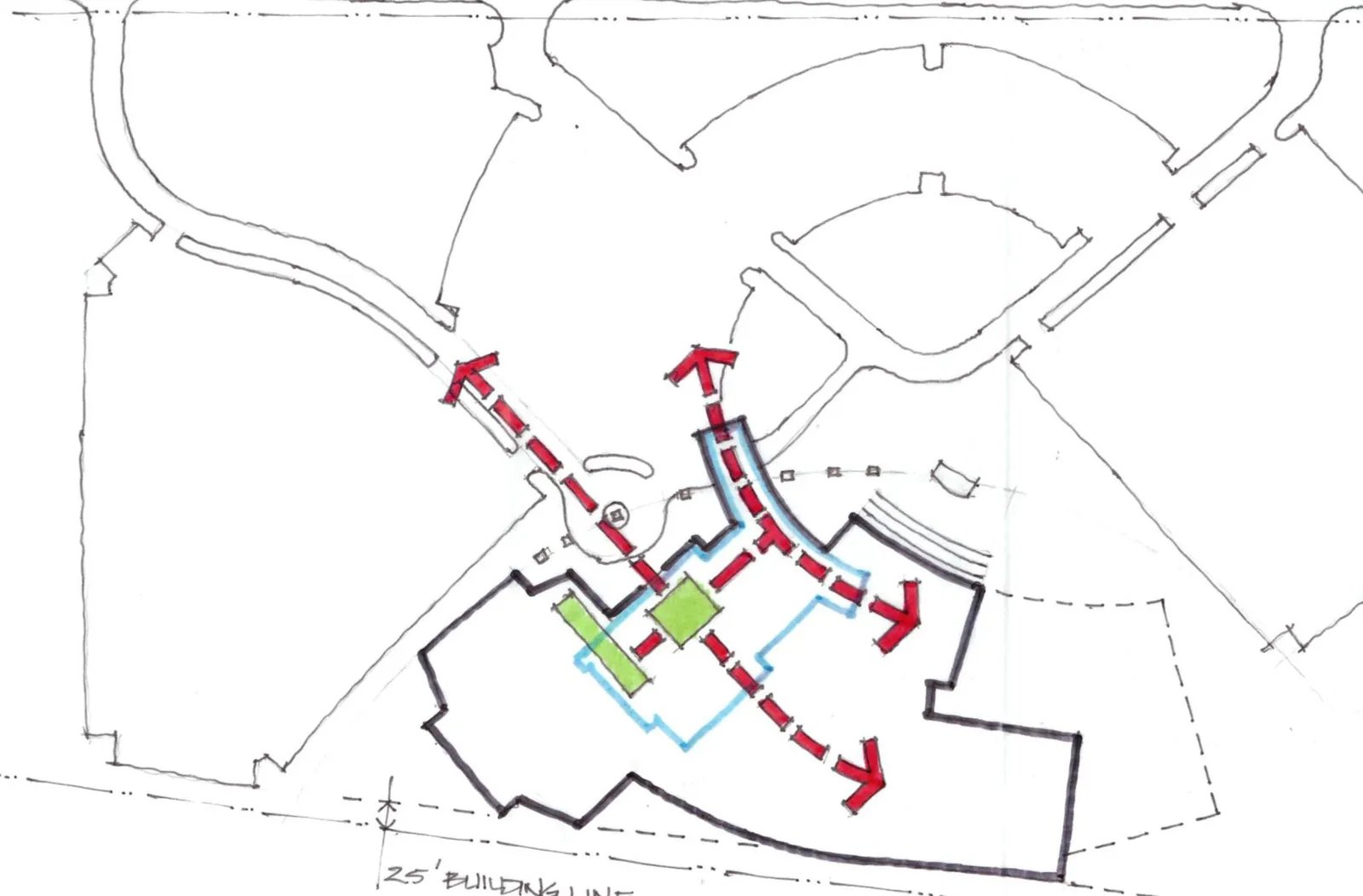
Ideation is a powerful design process that comprises all stages of a thought cycle, from research, to innovation, to development, to actualization. Our process captures and elaborates on ideas, yielding unique custom design solutions for each client and each project.

The Process
Research > Innovation > Development > Actualization
How We Deliver Projects

We believe in the power of early collaboration and harness that with our Integrated Project Delivery model.

Traditional Project Delivery: owner, architect and contractor are three separate circles. Each player is committed to their own success, and thus incentivized to deflect blame by pointing fingers instead of focusing on solving problems. Avoid and deflect risk. Surprised by problems. Helps themselves. Integrated Project Delivery: Owner, Vessel and Contractor are three overlapping circles, and the area where all three overlap is labeled shared success. The team is committed to the project’s success and shares incentive to focus effort on problem-solving instead of finger-pointing. Dotted arrows lead from each traditional trait to its integrated counterpart: Avoid and deflect risk to Identify and mitigate risk, Surprised by problems to Anticipates problems, Helps themselves to Helps the team. Cost / time curve (macleamy curve), four curves over the project timeline: ability to impact project scope & cost starts high and falls; cost of design changes starts low and rises; integrated project delivery: focused effort early enough for effective change, peaks early; traditional project delivery: most effort comes too late for effective change, peaks late. Six phases in order, each with team tasks above and ARCHITECT tasks below. Whole team engaged from the first phase; traditional contractor involvement starts at permitting and buyout. We advocate for early contractor involvement. 1. CONCEPTUALIZATION (PR). Conceptual Program: establish project goals, establish budget. ARCHITECT: Programming: vision, business objectives, spaces, program requirements. 2. CRITERIA DESIGN (SD). Project Framing: investigate building systems, preliminary cost estimating. ARCHITECT: Site: envelope, cladding, fenestration. Mechanical Systems: HVAC system, electrical system, plumbing strategy. 3. DETAILED DESIGN (DD). Design Development Detail: key subcontractors engaged, select systems. ARCHITECT: Building Materials: envelope, cladding, fenestration. Research & Select Engineered Systems: mechanical, electrical, plumbing, structural. 4. IMPLEMENTATION DOCS (CD). Ensure Constructability: evaluate for efficiency, eliminate scope gaps & change orders, finalize designs and contracts. ARCHITECT: Architectural Drawings. Engineering Drawings: civil, landscape, structural, MEP. Consultant Drawings. Specifications. 5. PERMITTING & BUYOUT (BNP). Negotiation for Owner: evaluate bids, eliminate scope overlaps, confirm all scopes included, negotiate and buyout sub contracts. ARCHITECT: Permitting: satisfy AHJ comments, issue Addenda. Bidding: RFIs, substitutions. Negotiating: review, question, advise Owner. 6. CONSTRUCTION (CA). Building: On-site daily management, daily and weekly reporting, change management, problem mitigation, team building. ARCHITECT: Observation: site visits, mock-up reviews. Documentation: RFIs, supplemental info, substitutions, submittals and shop drawings. Advise Owner: resolve conflict. Traditional Project Delivery Integrated Project Delivery owner architect contractor Owner Vessel Contractor shared success Each player is committed to their own success, and thus incentivized to deflect blame by pointing fingers instead of focusing on solving problems. The team is committed to the project’s success and shares incentive to focus effort on problem-solving instead of finger- pointing. Avoid and deflect risk Identify and mitigate risk Surprised by problems Anticipates problems Helps themselves Helps the team ability to impact project scope & cost cost of design changes integrated project delivery: focused effort early enough for effective change traditional project delivery: most effort comes too late for effective change cost / time curve macleamy curve we advocate for early contractor involvement whole team engaged traditional CONCEPTUALIZATION (PR) CRITERIA DESIGN (SD) DETAILED DESIGN (DD) IMPLEMENTATION DOCS (CD) PERMITTING & BUYOUT (BNP) CONSTRUCTION (CA) Conceptual Program establish project goals establish budget Programming vision business objectives spaces program requirements Project Framing investigate building systems preliminary cost estimating Site envelope cladding fenestration Mechanical Systems HVAC system electrical system plumbing strategy Design Development Detail key subcontractors engaged select systems Building Materials envelope cladding fenestration Research & Select Engineered Systems mechanical electrical plumbing structural Ensure Constructability evaluate for efficiency eliminate scope gaps & change orders finalize designs and contracts Architectural Drawings Engineering Drawings civil landscape structural MEP Consultant Drawings Specifications Negotiation for Owner evaluate bids eliminate scope overlaps confirm all scopes included negotiate and buyout sub contracts Permitting satisfy AHJ comments issue Addenda Bidding RFIs substitutions Negotiating review question advise Owner Building On-site daily management daily and weekly reporting change management problem mitigation team building Observation site visits mock-up reviews Documentation RFIs supplemental info substitutions submittals and shop drawings Advise Owner resolve conflict ARCHITECT

View full size